
Custom orthotics, or shoe inserts, should be periodically replaced. Orthotics must fit properly to give you the best results. Protect your feet and ankles!
Paramus / Wayne: (201) 989-0388
Clifton / Randolph: (973) 834-8853
Edison: (732) 314-7708
Montclair: (973) 834-8987
Custom orthotics, or shoe inserts, should be periodically replaced. Orthotics must fit properly to give you the best results. Protect your feet and ankles!
 If your feet are numb, tingling, or sensitive to the touch, you may have peripheral neuropathy. The term “neuropathy” refers to nerve damage. This condition affects one to two percent of Americans and can significantly impact your lower limbs. In addition to the altered sensations mentioned above, people with neuropathy may also experience pain, cramping, muscle weakness, a loss of reflexes, and difficulty walking. Neuropathy is often associated with preexisting medical conditions, such as diabetes. If you have symptoms of nerve damage in your feet or ankles, it is strongly suggested that you are under the care of a podiatrist who can help you manage this condition and maintain the health of your lower limbs.
Neuropathy
Neuropathy can be a potentially serious condition, especially if it is left undiagnosed. If you have any concerns that you may be experiencing nerve loss in your feet, consult with one of our podiatrists from Foot & Ankle Institute at One Oak Medical. Our doctors will assess your condition and provide you with quality foot and ankle treatment for neuropathy.
What Is Neuropathy?
Neuropathy is a condition that leads to damage to the nerves in the body. Peripheral neuropathy, or neuropathy that affects your peripheral nervous system, usually occurs in the feet. Neuropathy can be triggered by a number of different causes. Such causes include diabetes, infections, cancers, disorders, and toxic substances.
Symptoms of Neuropathy Include:
Those with diabetes are at serious risk due to being unable to feel an ulcer on their feet. Diabetics usually also suffer from poor blood circulation. This can lead to the wound not healing, infections occurring, and the limb may have to be amputated.
Treatment
To treat neuropathy in the foot, podiatrists will first diagnose the cause of the neuropathy. Figuring out the underlying cause of the neuropathy will allow the podiatrist to prescribe the best treatment, whether it be caused by diabetes, toxic substance exposure, infection, etc. If the nerve has not died, then it’s possible that sensation may be able to return to the foot.
Pain medication may be issued for pain. Electrical nerve stimulation can be used to stimulate nerves. If the neuropathy is caused from pressure on the nerves, then surgery may be necessary.
If you have any questions, please feel free to contact our offices located in Wayne, Paramus, Clifton, Montclair, Clifton, Edison, and Randolph, NJ . We offer the newest diagnostic and treatment technologies for all your foot care needs.

Peripheral artery disease (PAD) is a condition that causes poor circulation in the feet and ankles. In many cases, people who suffer from PAD do not experience any symptoms. As the disease progresses, noticeable symptoms can appear. One of the first may be claudication, or cramping in the lower legs while walking. This occurs because the muscles in the lower legs are not receiving enough oxygen and nutrients from the blood. Muscle weakness usually follows. Not all leg cramps and weakness are indicative of PAD, however. There are other conditions that cause similar symptoms, such as deep vein thrombosis, traveler’s thrombosis, and various spinal problems. If you suffer from leg cramps, consult with a podiatrist today.
Peripheral artery disease can pose a serious risk to your health. It can increase the risk of stroke and heart attack. If you have symptoms of peripheral artery disease, consult with one of our podiatrists from Foot & Ankle Institute at One Oak Medical. Our doctors will assess your condition and provide you with quality foot and ankle treatment.
Peripheral artery disease (PAD) is when arteries are constricted due to plaque (fatty deposits) build-up. This results in less blood flow to the legs and other extremities. The main cause of PAD is atherosclerosis, in which plaque builds up in the arteries.
Symptoms
Symptoms of PAD include:
It is important to note that a majority of individuals never show any symptoms of PAD.
Diagnosis
While PAD occurs in the legs and arteries, Podiatrists can diagnose PAD. Podiatrists utilize a test called an ankle-brachial index (ABI). An ABI test compares blood pressure in your arm to you ankle to see if any abnormality occurs. Ultrasound and imaging devices may also be used.
Treatment
Fortunately, lifestyle changes such as maintaining a healthy diet, exercising, managing cholesterol and blood sugar levels, and quitting smoking, can all treat PAD. Medications that prevent clots from occurring can be prescribed. Finally, in some cases, surgery may be recommended.
If you have any questions, please feel free to contact our offices located in Wayne, Paramus, Clifton, Montclair, Clifton, Edison, and Randolph, NJ . We offer the newest diagnostic and treatment technologies for all your foot care needs.
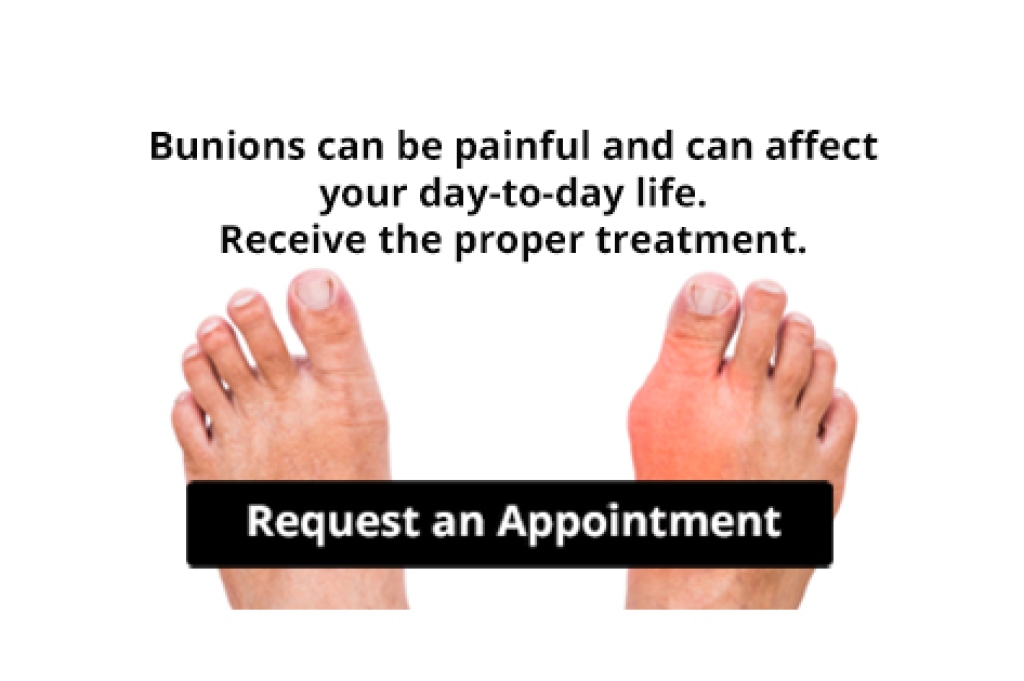
Have you noticed a bony protrusion on the side of your big toe? If so, you may have developed the foot condition known as a bunion. Don't let bunions interfere with your daily activities.

The calf muscles are located at the back of the lower leg and are responsible for the way our feet and ankles move. Tight calf muscles can affect the position of the foot, impacting motion and balance. Regularly stretching the calf muscles helps reduce lower limb pain, tightness, and instability. To get the best results from calf stretches, it is important to hold the stretch for at least 30 seconds. This gives the muscles enough time to stretch out. You should also repeat each calf stretch three times for maximum benefits. Calf stretches can be uncomfortable, but should not be painful. Stop stretching if the mild discomfort associated with stretching turns into pain. Finally, stay safe by consulting with your podiatrist prior to beginning any new stretching or exercise regimen.
Stretching the feet is a great way to prevent injuries. If you have any concerns with your feet consult with one of our podiatrists from Foot & Ankle Institute at One Oak Medical. Our doctors will assess your condition and provide you with quality foot and ankle treatment.
Stretching the Feet
Being the backbone of the body, the feet carry your entire weight and can easily become overexerted, causing cramps and pain. As with any body part, stretching your feet can serve many benefits. From increasing flexibility to even providing some pain relief, be sure to give your feet a stretch from time to time. This is especially important for athletes or anyone performing aerobic exercises, but anyone experiencing foot pain or is on their feet constantly should also engage in this practice.
Great ways to stretch your feet:
Individuals who tend to their feet by regular stretching every day should be able to minimize foot pain and prevent new problems from arising.
If you have any questions please contact our offices located in Wayne, Paramus, Clifton, Montclair, Clifton, Edison, and Randolph, NJ . We offer the newest diagnostic and treatment technologies for all your foot and ankle needs.
